
Electromagnetic locks (maglocks)
Holding force applied through an electromagnet and armature plate. Fail-safe by nature — they release when power is removed, which matters for escape routes.
Office 5B, 1st Floor, Royal Plaza, 6th Road, Rawalpindi
Door access control
A key tells you nothing. Access control answers the two questions a lock cannot: who is allowed through this door, and who actually came through it. We fit readers, locks, exit devices and controllers so that rights can be withdrawn in seconds instead of recut, and so any door that must release in an emergency always does.
Holding force applied through an electromagnet and armature plate. Fail-safe by nature — they release when power is removed, which matters for escape routes.
Locking hardware fitted into or onto the door frame, chosen to suit the door type, the frame and whether it must fail safe or fail secure.
Entry on a registered fingerprint, avoiding cards that get shared, lost or left at home.
Proximity cards and fobs for larger user groups, where issuing and cancelling credentials quickly matters more than biometrics.
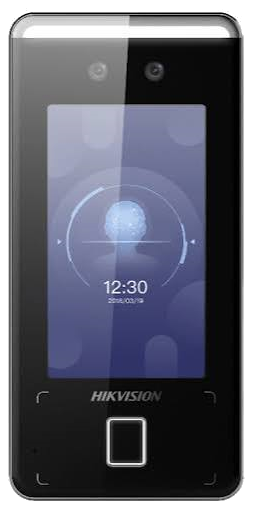
Hands-free entry, often with fingerprint or card as a fallback, and frequently doubling as an attendance device.
Push-to-exit devices and break-glass release units so leaving is always straightforward and safe.
The controller that decides whether a credential opens a door, and records the attempt whether it succeeded or not.
User enrolment, permission groups, time-based rules and access logs set up so your own staff can administer it.
Each door is assessed for type, frame, opening direction, escape-route status and existing hardware. The door decides the lock, not the other way round.
A written quotation covering locks, readers, controllers, power supplies, cabling and software for each door.
Locks and readers fitted, controllers and power supplies installed, and cabling run back to the controller position.
Users enrolled, permission groups and time rules set, and exit and emergency release tested on every door.
We show your administrator how to add and remove users, change permissions and pull access logs.
We install access control hardware from established manufacturers and match the reader and lock to the door and the user group.
Manufacturer names shown here belong to those manufacturers. We list them because these are the lines we buy, fit and repair — not to imply any distributorship or formal partnership.
We also repair and extend existing access control — adding doors or users, replacing failed locks, readers and power supplies, and recovering systems whose administrator credentials were lost.
We do not publish prices, because the same job varies widely between sites. A written quotation follows a survey, and these are the factors that move the figure.
We are based at Office 5B, 1st Floor, Royal Plaza, 6th Road, Rawalpindi, Pakistan and carry out access control work across Rawalpindi and Islamabad. See areas we serve for more detail, or contact us to arrange a site survey.
It depends on whether the lock is fail-safe or fail-secure, and that is a decision made per door. A fail-safe lock, such as a maglock, unlocks when power is lost — necessary on escape routes so people are never trapped. A fail-secure lock stays locked when power is lost, which suits a store room or server room where security matters more than free exit. Where a door must stay locked during an outage, it is backed by a battery supply, and mechanical or break-glass release is always provided on escape routes.
Fingerprint suits small, stable teams and stops credential sharing. Cards and fobs suit larger or changing groups where issuing and cancelling access quickly matters most. Face recognition suits hands-free entry and doubles as attendance. Many sites mix them — a card for general staff, biometrics on sensitive doors.
Yes, many terminals do both. If attendance reporting is the main goal rather than door security, see biometric attendance systems, which covers reporting in more detail.
Usually yes. The door type, frame and opening direction determine which lock is appropriate. Glass, timber and metal doors each take different hardware, which is why we survey the doors before quoting.
You can. We configure the management software and train your administrator to enrol users, set permission groups and time rules, and pull access logs without needing to call us.
The hardware is the easy half.
The decision to open a door should not be made blind.
A camera is only worth its price if it is looking at something that matters, in light it can actually handle, recording to a disk with room left on it.