
IP camera systems
Network cameras carrying video and power over a single cable to a PoE recorder or switch. Higher resolution and easier to expand than analog.
Office 5B, 1st Floor, Royal Plaza, 6th Road, Rawalpindi
CCTV surveillance
A camera is only worth its price if it is looking at something that matters, in light it can actually handle, recording to a disk with room left on it. We plan CCTV around those three questions for homes, offices, shops, warehouses and commercial buildings in Islamabad and Rawalpindi — then run the cable, set the recording up, put it on your phone and show you how to pull a clip when you need one.
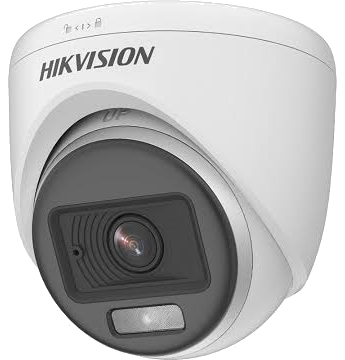
Network cameras carrying video and power over a single cable to a PoE recorder or switch. Higher resolution and easier to expand than analog.
Cameras on coaxial cable to a DVR. Usually the practical choice when you are upgrading an existing cabled installation and want to reuse the cable runs.
Low-profile fixed cameras for receptions, corridors, shopfronts and covered entrances. Turrets avoid the internal reflection domes can suffer at night.
Directional cameras for perimeters, driveways, yards and boundary walls, with infrared night vision and a visible deterrent presence.
Motorised cameras that can be moved to follow activity across large open areas such as yards, plots and warehouse floors.
Wide coverage from one mounting point, which can reduce both the camera count and the number of cable runs.
Cameras, recorder, hard drive, power supply and cable supplied and installed together as one package.
16-channel PoE NVRs, 32-channel NVRs and wireless recorders, with hard drives sized to the retention you want.
We walk the property, agree what each camera must cover, check cable routes and power, and identify where the recorder can be kept securely.
A written quotation setting out camera types and positions, recorder and storage, cabling and the scope of work.
Cable is run and dressed, cameras are mounted at the agreed positions and angles, and the recorder is installed and powered.
Recording, motion settings, time and date, user accounts and night-time image quality are set up and checked camera by camera.
Remote viewing is configured on your phone, and we show you playback, exporting footage and what to check if something looks wrong.
Fault call-outs, service visits and maintenance arrangements where required.
We work with recognised CCTV manufacturers and recommend equipment to suit the site and the budget rather than pushing a single brand.
Manufacturer names shown here belong to those manufacturers. We list them because these are the lines we buy, fit and repair — not to imply any distributorship or formal partnership.
We service and repair CCTV systems whoever installed them — cameras that have stopped recording, lost night vision, drifted out of position, or recorders that will not play back. See CCTV repair and maintenance for what a service visit covers.
We do not publish prices, because the same job varies widely between sites. A written quotation follows a survey, and these are the factors that move the figure.
We are based at Office 5B, 1st Floor, Royal Plaza, 6th Road, Rawalpindi, Pakistan and carry out cctv surveillance work across Rawalpindi and Islamabad. See areas we serve for more detail, or contact us to arrange a site survey.
There is no single figure, because the cost is driven by the number of cameras, the cable runs and the equipment you choose. We do not publish prices; we quote in writing after a site survey so the figure covers the actual work. The main variables are the camera count and type, recorder and hard-drive size, how far the cable has to run and whether it can be surface-mounted or has to be chased into finished walls, and whether any existing cabling can be reused.
Start from the entry points rather than a target number. Most homes are covered by the main gate or driveway, the front door, any side or rear access, and an internal view of the hall or stairs. A camera earns its place only if it has a clear job — one well-positioned camera at a gate is worth more than three pointed at the same wall. We work this out with you during the survey.
IP cameras send digital video over network cable to an NVR and can take power over the same cable. Analog cameras send video over coaxial cable to a DVR. IP generally offers higher resolution, simpler cabling and easier expansion; analog is often the sensible choice when you already have coax in the walls and want to upgrade without recabling.
An NVR records from IP cameras over the network, and PoE models also power the cameras through the same cable. A DVR records from analog cameras over coaxial cable. The recorder must match the camera type, which is why the two are normally chosen together.
Yes. Recording is local to the NVR or DVR and continues without an internet connection. What you lose while the connection is down is remote viewing on your phone and any cloud notifications. Once the connection returns, live view and remote playback work again and the footage recorded in the meantime is still on the drive.
Retention depends on hard-drive size, camera count, resolution, frame rate and whether cameras record continuously or only on motion. Recording on motion rather than continuously can extend retention substantially on the same drive. Tell us how many days you need to keep and we will size the drive for it.
Yes. Remote live view and playback on your phone are set up as part of the installation, and we can configure PC viewing as well. We show you how to use it before we leave.
It depends on what you need after dark. Infrared cameras give clear black-and-white images in darkness and suit perimeters and yards. Full-colour night cameras such as ColorVu models keep colour at night using a wider aperture and supplementary white light, which is useful where clothing or vehicle colour matters — shopfronts, receptions and entrances.
Most CCTV systems do not fail dramatically — they drift.
Cameras, door controllers, attendance terminals and IP phones all end up on the same cabling, which is why a network installed carelessly turns every later fault into guesswork.
A key tells you nothing.